Digital Solutions
- Home |
- Digital Solutions

Download
Digital Solutions
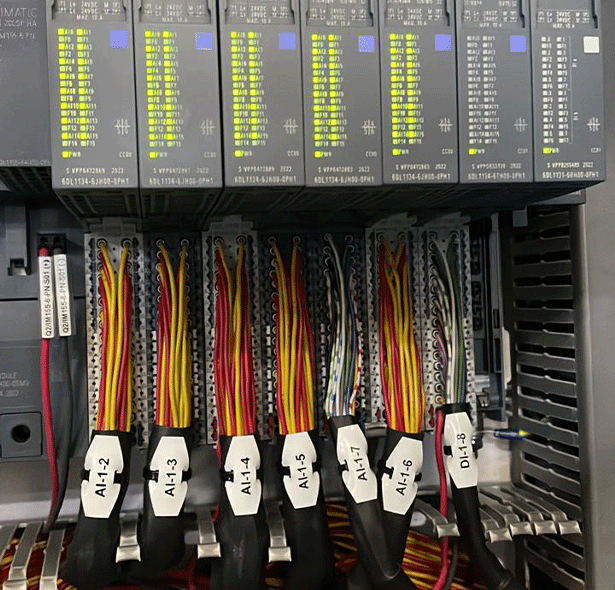
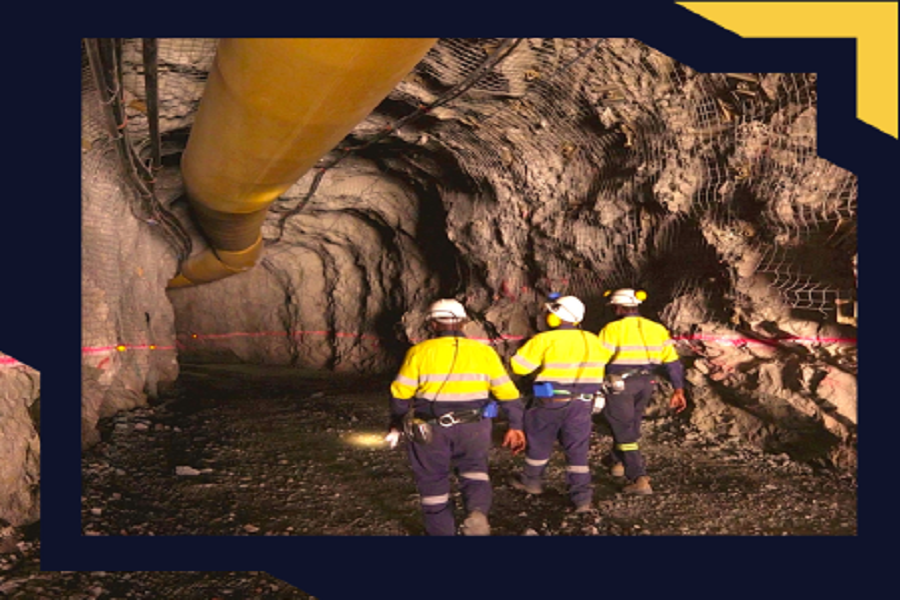
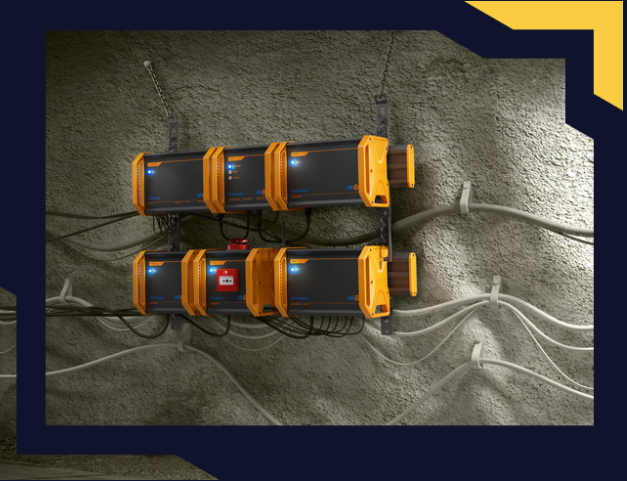
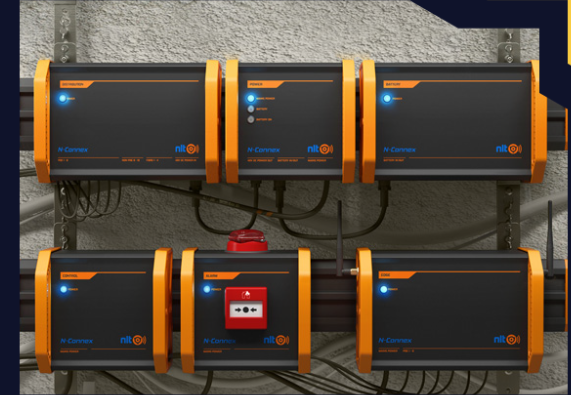
At Vision group consulting we believe that network infrastructure acts as the arteries and blood vessels of any mine. Our aim is to provide our customers with highly resilient network infrastructure and supporting products for harsh environments to enable more effective operations through efficient communication.
Our team consists of a diverse set of individuals with wide skills and experience across the mining sector in Africa. Our technical team’s combined experience perfectly complements this to enable us to provide world class mining solutions ranging from the networking layer all the way up to specialized software implementation and configuration.
Vision group consulting includes methods to improve soil properties for construction purposes. Techniques like soil stabilization (using additives to enhance strength or reduce settling), ground reinforcement (using geosynthetics or soil nails), and soil compaction (to increase density) are employed to ensure stable and durable foundations.
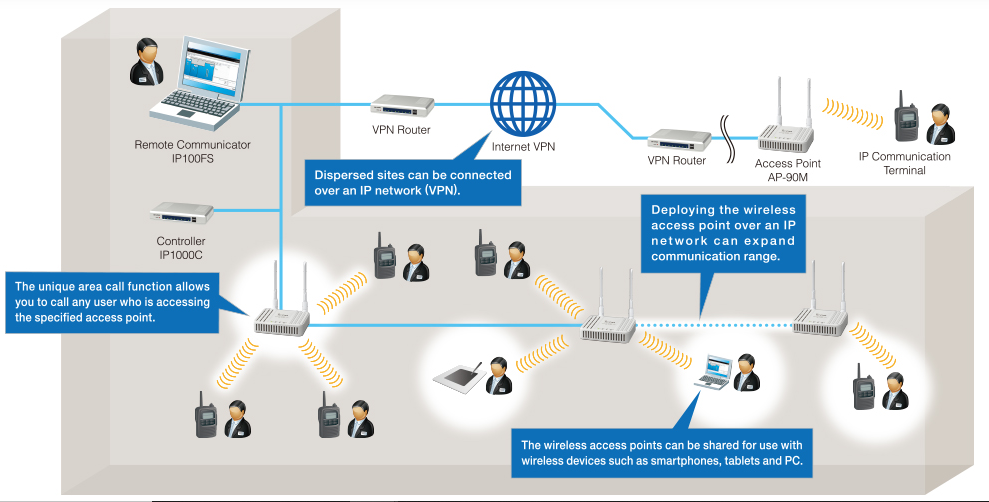
Vision group consulting encompasses a range of methods and techniques to study, analyze, and manipulate soil conditions beneath the Earth’s surface.
- Surveying and Mapping: Subsoil technology often begins with surveying techniques to gather data about subsurface features. This can include methods like ground-penetrating radar (GPR), which uses electromagnetic waves to detect variations in soil properties and map underground structures. Seismic surveys may also be used to analyze the geological formations and detect subsurface anomalies.
- Sampling and Testing: Soil samples are collected from various depths using drilling rigs or other sampling tools. These samples are then analyzed in laboratories to determine physical properties such as soil type, texture, moisture content, density, permeability, and strength. Geotechnical testing provides crucial insights into how the soil will behave under different conditions, which is essential for designing foundations and assessing stability.
Remote Sensing and Imaging: Advanced imaging technologies, such as satellite imagery and aerial surveys, are employed to map large areas and identify subsurface features. These technologies can provide detailed information about soil composition, geological formations, groundwater levels, and potential hazards like sinkholes or faults.
Vision group consulting also plays a vital role in assessing environmental impacts and identifying geohazards such as landslides, sinkholes, and seismic risks. This information is essential for land-use planning, disaster preparedness, and ensuring the safety of infrastructure and communities.
Customer Benefits
Customers appreciate products or services that are tailored to their individual needs.
- Improved Project Planning and Design
- Enhanced Safety and Durability
- Compliance and Risk Management
What is Vision group consulting?
The methods, techniques, and tools used to study, analyze, and manipulate the characteristics and conditions of soil beneath the Earth's surface. This field integrates various scientific disciplines such as geology, geotechnical engineering, soil science, and environmental science to understand the properties and behaviors of soil at different depths.
What is the purpose of Vision group consulting?
Used to conduct thorough investigations of the soil beneath a proposed construction site or existing infrastructure. This includes mapping subsurface features, analyzing soil properties (such as composition, density, moisture content), and assessing geological conditions. The goal is to gather comprehensive data that informs site suitability, foundation design, and construction feasibility.
How does Vision group consulting work ?
Often begins with surveying techniques to gather data about subsurface features. This can include methods like ground-penetrating radar (GPR), which uses electromagnetic waves to detect variations in soil properties and map underground structures. Seismic surveys may also be used to analyze the geological formations and detect subsurface anomalies.
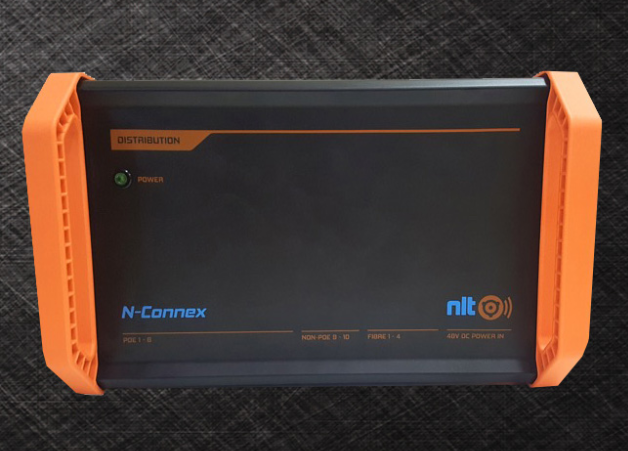
The Distribution module can enable a large range of high power consuming PoE devices to be simultaneously connected due to the ability to actively manage 200W of total Power. The Distribution module is commonly connected to the Power …