What is Preventive Maintenance?
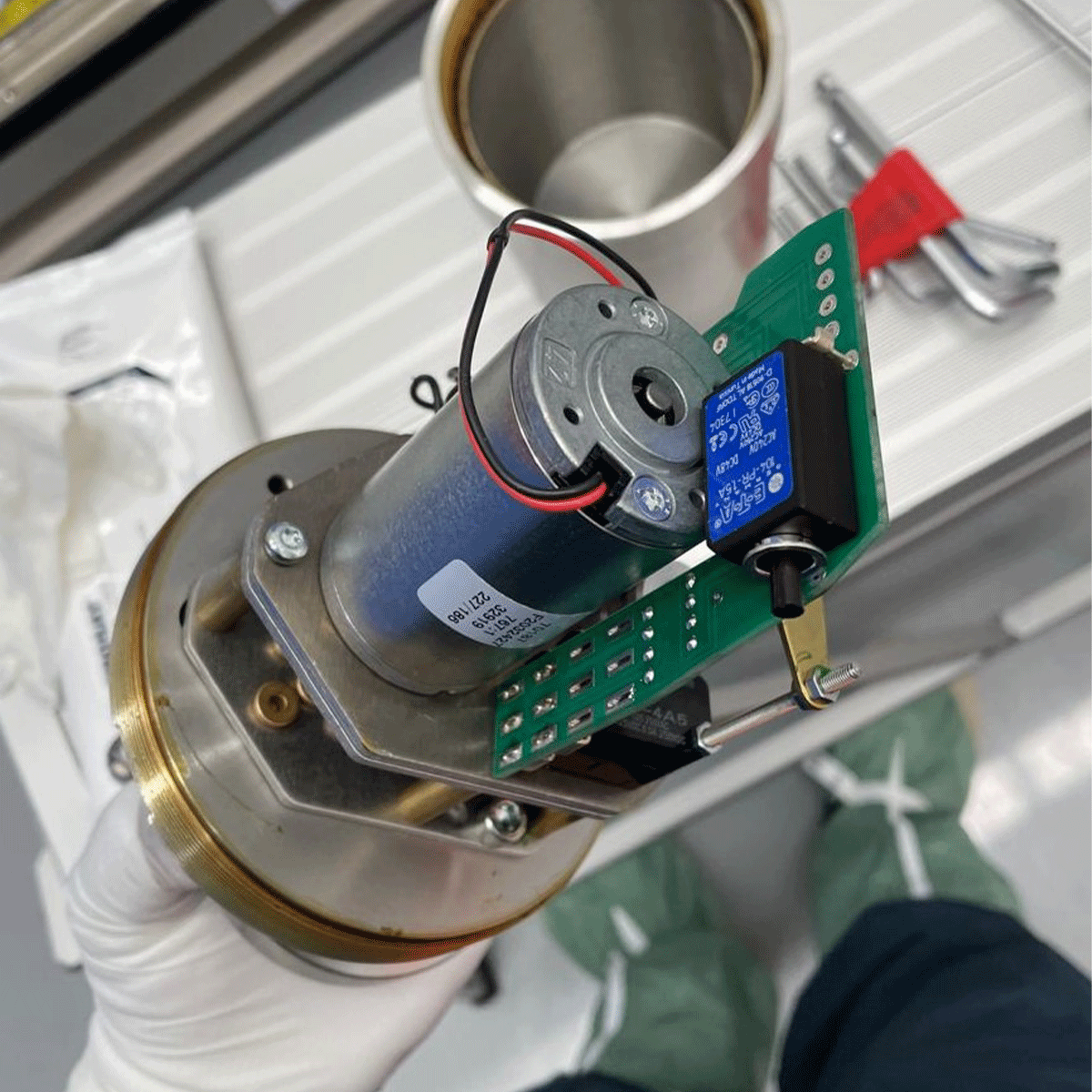
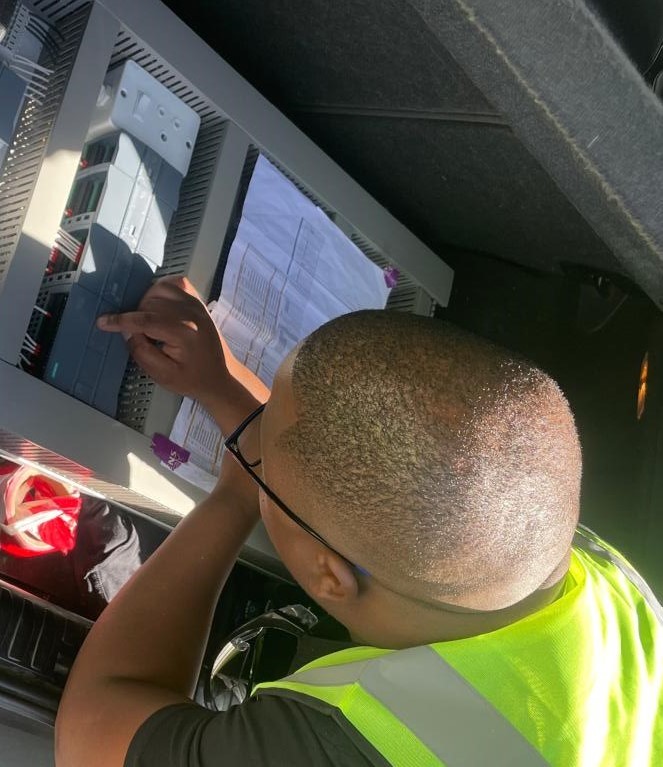
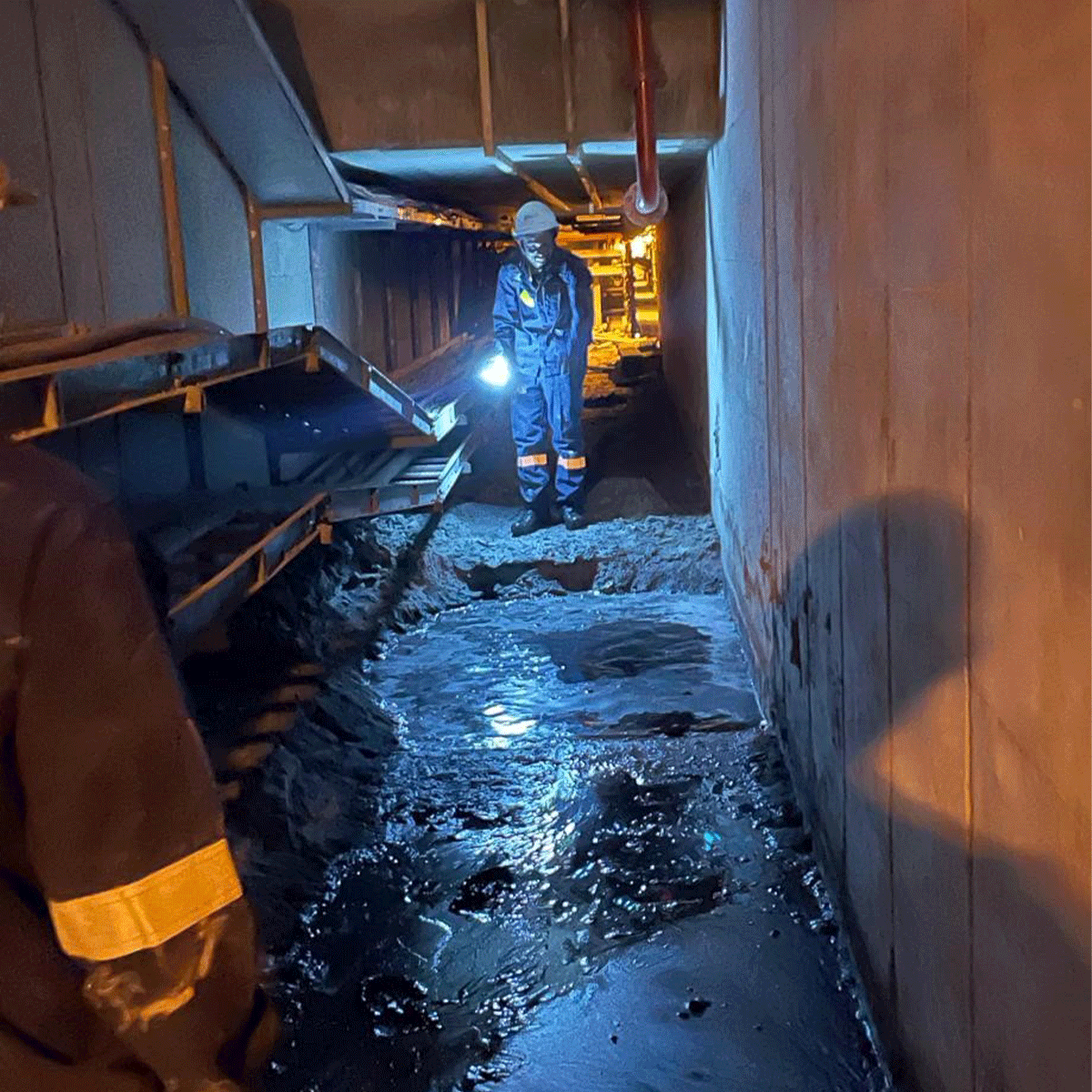
Preventive maintenance (PM) is a proactive approach to maintaining equipment and machinery in optimal working condition by performing regular, scheduled maintenance tasks. These tasks are designed to prevent unexpected equipment failures and extend the lifespan of assets. Preventive maintenance includes inspections, adjustments, cleaning, lubrication, parts replacements, and other routine activities intended to detect and correct potential problems before they result in significant downtime or costly repairs.
Key Components of Preventive Maintenance
1.Scheduled Inspections: Regularly checking equipment for signs of wear and tear or potential issues.
2.Routine Service: Performing tasks such as oil changes, filter replacements, and lubrication to keep equipment running smoothly.
3.Repairs and Replacements: Replacing worn-out parts before they fail.
4.Calibration: Ensuring equipment is operating within specified parameters.
5.Documentation: Keeping detailed records of all maintenance activities for future reference and compliance
We're not just in the business of automation; we're pioneers in redefining industry standards and revolutionizing the way businesses operate. Established with a vision to empower enterprises with cutting-edge automation solutions, we've consistently pushed boundaries, leveraging technology to streamline processes, enhance efficiency, and drive unparalleled growth
Lukhanyo Pulumo
- Content Writer
How Preventive Maintenance Assists in Plant Operations
Enhanced Equipment Reliability
•Reduced Unplanned Downtime: Regular maintenance helps identify and address potential issues before they lead to equipment failure, significantly reducing unexpected downtimes.
•Increased Equipment Lifespan: Proper maintenance ensures that equipment is kept in good working condition, which extends its operational life and delays the need for costly replacements.
Cost Savings
•Lower Repair Costs: By addressing issues early, preventive maintenance prevents minor problems from escalating into major repairs, which are often more expensive.
•Optimized Resource Use: Scheduled maintenance allows for better planning and allocation of maintenance resources, reducing waste and inefficiencies.

Operational Efficiency
•Consistent Performance: Well-maintained equipment operates more efficiently and consistently, leading to smoother and more reliable production processes.
•Optimized Production Schedules: With fewer unexpected breakdowns, production schedules can be maintained more accurately, enhancing overall productivity.
Better Planning and Scheduling
•Maintenance Scheduling: Preventive maintenance allows for maintenance activities to be scheduled during planned downtimes or off-peak hours, minimizing disruption to operations.
•Resource Management: Maintenance tasks can be planned and coordinated effectively, ensuring that necessary parts and personnel are available when needed.
Data and Analytics
•Maintenance Records: Detailed records of maintenance activities provide valuable data that can be analyzed to identify trends, optimize maintenance schedules, and improve decision-making.
•Predictive Insights: Analyzing maintenance data can help predict future maintenance needs and potential failures, allowing for even more proactive maintenance strategies.
Quality Assurance
•Consistent Quality: Regular maintenance ensures that equipment operates at optimal performance levels, leading to consistent product quality and fewer defects.
•Compliance with Standards: Preventive maintenance helps ensure that production processes meet industry standards and regulatory requirements, maintaining product quality and safety
Conclusion
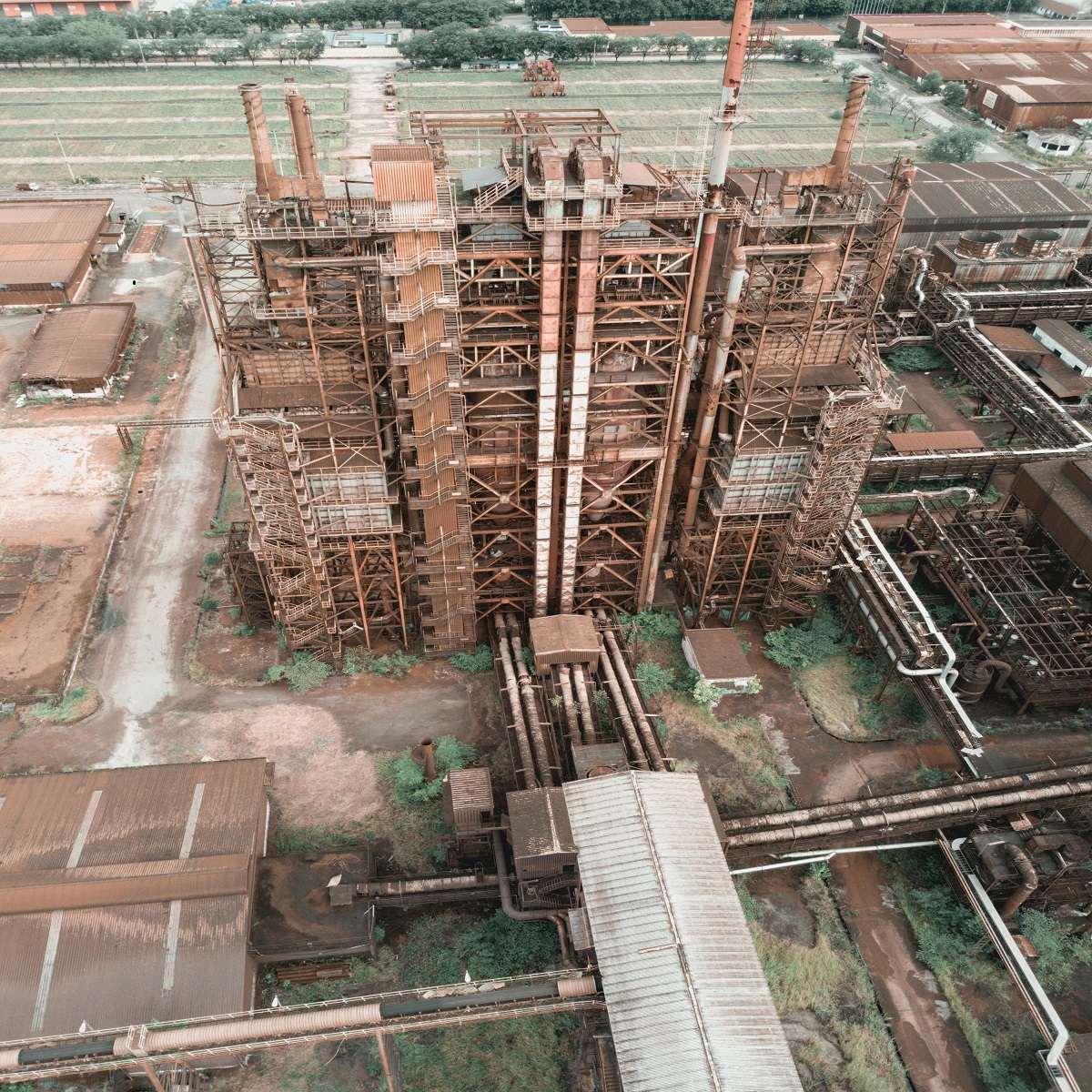
Preventive maintenance is a critical component of effective plant operations. By proactively maintaining equipment, plants can enhance reliability, safety, and efficiency while reducing costs and downtime. Implementing a robust preventive maintenance program ensures that equipment is kept in optimal working condition, supporting continuous and smooth operations and contributing to the overall success and competitiveness of the plant.